


.avif)


.avif)


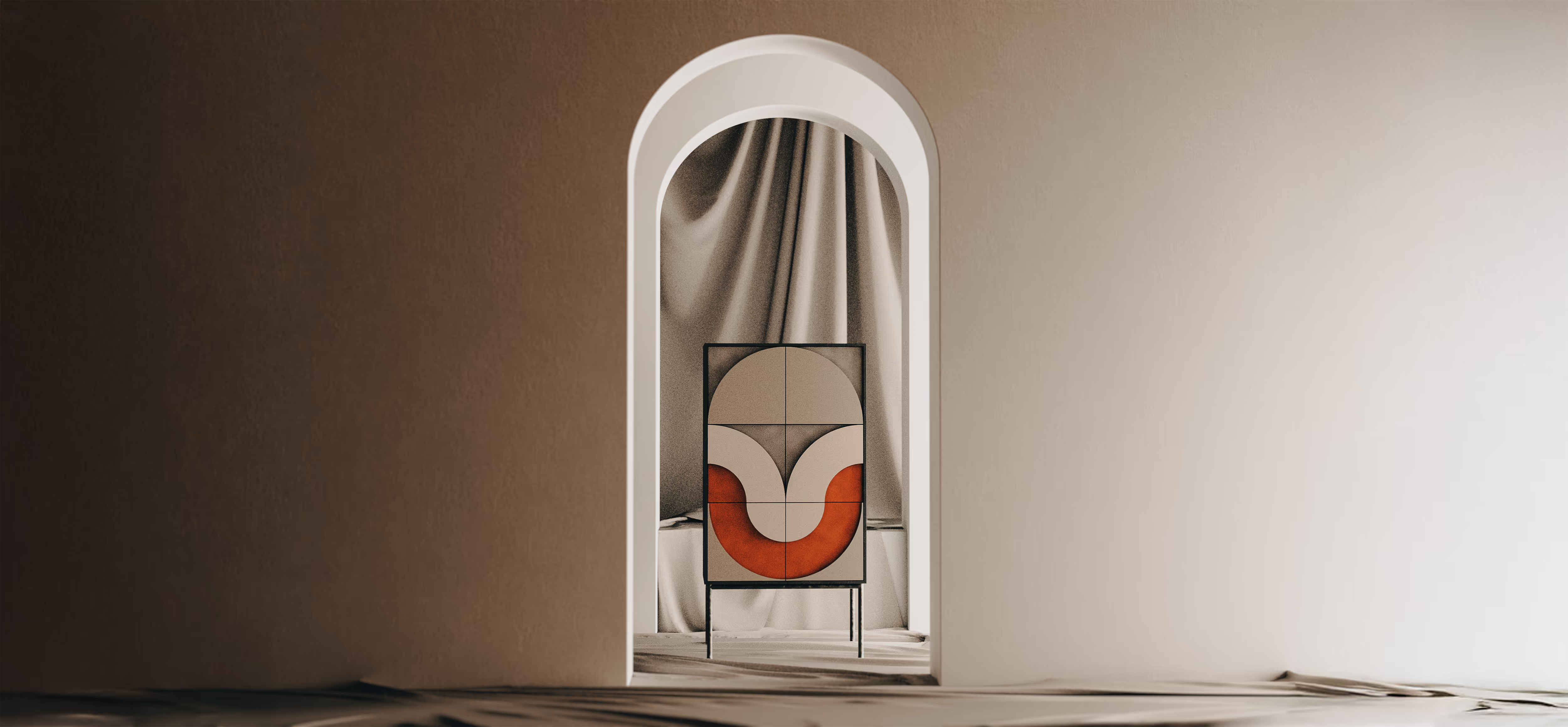

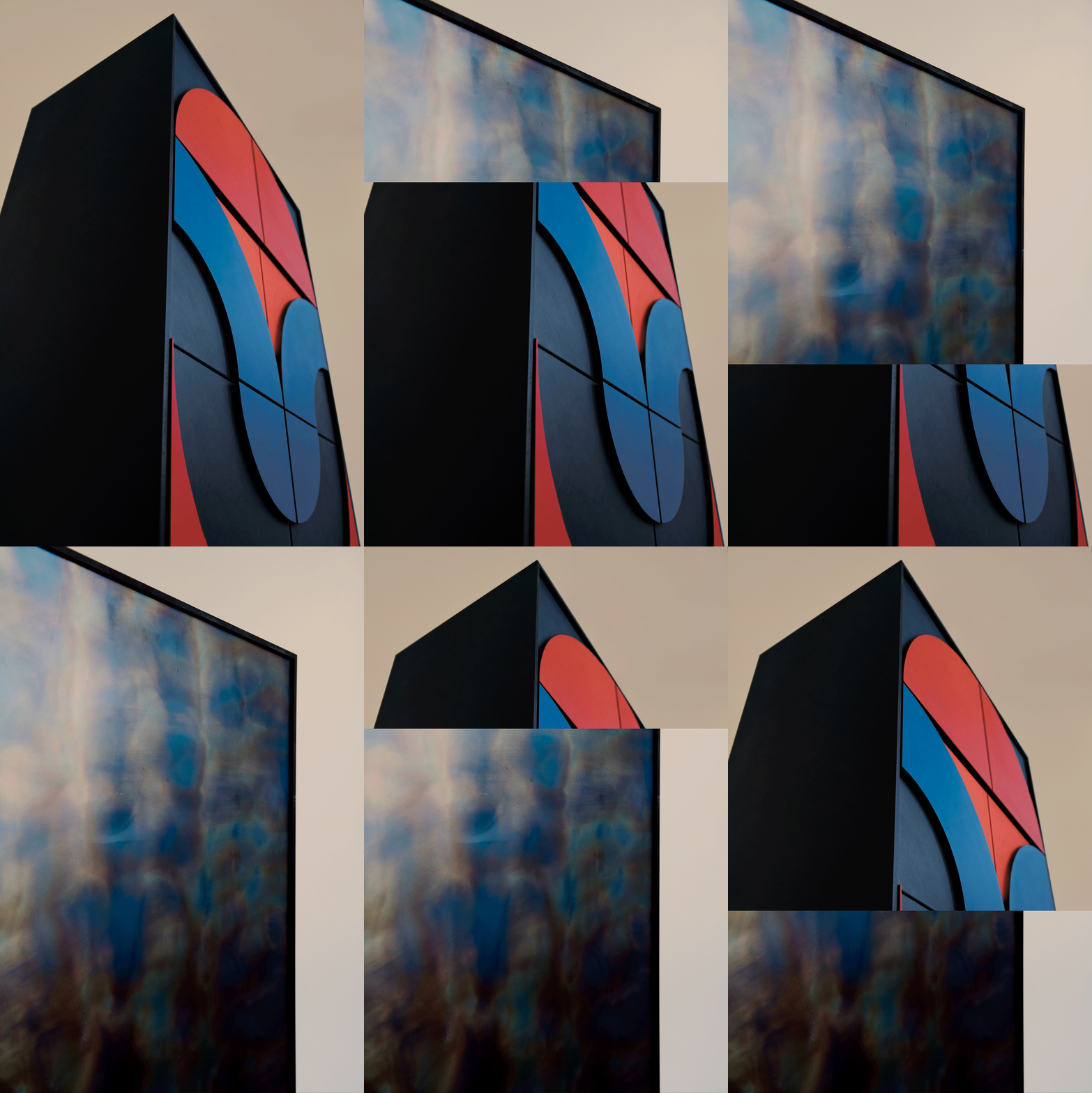
As part of the Burnt Geometry collection, the Vanishing Cabinet traces the question of Hungarian design identity from the legacy of the Bauhaus through Victor Vasarely’s geometric thinking to the neo-avant-garde approach of Ferenc Lantos, placing Lantos’s formal language at the center of its inquiry. The piece reflects on his visual system: the analysis of the relationship between the circle and the square, and the fragmentation and reconfiguration of these forms. The layered quarter-circles and squares establish both structural order and organic associations, demonstrating how geometry can operate as an autonomous, meaning-bearing visual language.
At the cabinet’s front, formal investigation converges with function: the layered elements become the surface of use, serving simultaneously as handles. The fire-patinated metal back and leg structure reference the technology of industrial enamelling and allow the cabinet to stand freely in space, fully viewable from all sides. The use of natural-based materials - including linseed oil-based furniture linoleum - emphasizes both the tactile and cultural dimensions of the material.
The Vanishing Cabinet represents a material manifestation of geometric and material thinking, situating Ferenc Lantos’s visual system within a spatial and functional context.

